Most electrical work in a home involves replacing something that existed before or adding a circuit for a new appliance that draws a predictable and manageable load. Neither of those descriptions fits what is actually involved when someone books EV charger installation services in Plano, TX, for the first time, and the gap between expectation and reality is where a lot of installations go wrong before anyone realizes what happened. A Level 2 home charger draws a sustained high current load for hours at a time, every single night, which places demands on wiring, breakers, and panels that casual electrical additions simply do not. The technical requirements, the code considerations, and the safety stakes are genuinely different, and treating them otherwise is how perfectly avoidable problems get introduced into an otherwise functional home.
1. The Load Profile Is Unlike Anything Else in the Home
Most household circuits handle loads that cycle on and off throughout the day, and the wiring is sized with that intermittent pattern in mind. An EV charger runs at near-full capacity for four to eight hours straight on a typical overnight charge, which is a sustained demand that exposes any weakness in the circuit it sits on. Wire gauge, connection integrity, and breaker rating all matter differently when the load is continuous rather than occasional. Getting those specifications correct for the actual charger being installed is where the technical work begins, not where it ends.
2. Panel Capacity Has to Be Verified Before Anything Gets Wired
Adding a 40 or 50 amp dedicated circuit to a panel that is already running close to its total capacity creates a problem that does not always announce itself immediately. The panel absorbs the additional demand quietly until a hot evening pushes total load past a threshold and something gives, which in the best case means a tripped breaker and in the worst case means something far more serious. A thorough residential electrical service in Plano, TX, assessment before any charger work begins confirms what the panel can genuinely handle and what needs to be addressed first. That conversation is not a delay; it is a part of the job that makes everything else safe.
3. Permit and Code Requirements Are Specific and Non-Negotiable
EV charger circuits fall under electrical code requirements that vary by municipality and are enforced through the permit process for good reason. A permitted installation gets inspected, which means an independent set of eyes confirms the work meets the safety standard before the homeowner ever plugs a vehicle in. Unpermitted work creates liability issues that surface during home sales and insurance claims at the most inconvenient possible moments. Understanding the local requirements and filing correctly is part of the professional responsibility, not optional paperwork.
4. Charger Placement Affects Both Performance and Safety
Where the charger goes on the wall is not just a convenience decision; it affects wire run length, conduit routing, weatherproofing requirements, and how the cable reaches the vehicle without creating a trip hazard or tension on the connector. Indoor garage installations have different considerations than outdoor mounting locations, and both require attention to moisture, temperature exposure, and physical protection that general outlet work does not typically involve. Getting the placement right the first time avoids a reinstallation conversation six months later when the original location turns out to be impractical in daily use.
5. Experience With This Specific Work Type Makes a Real Difference
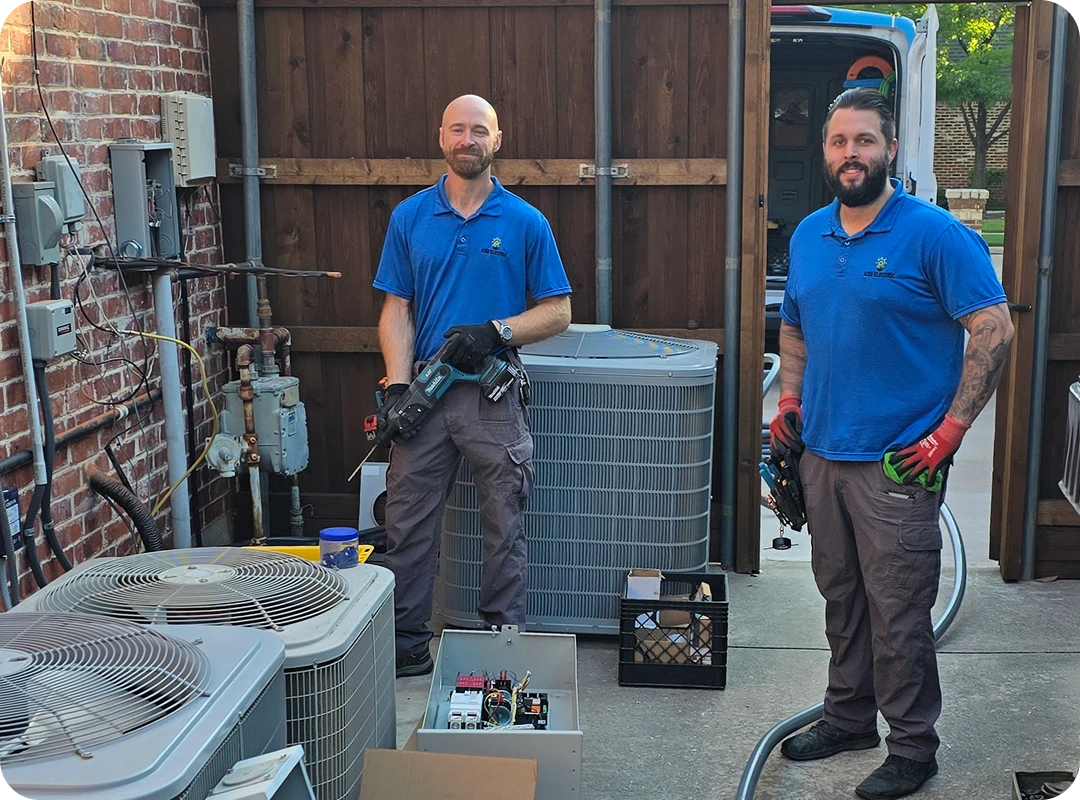
A professional who has completed dozens of EV charging installations approaches the job differently than one treating it as a straightforward circuit addition for the first time. Familiarity with different charger brands, their specific wiring requirements, and the load calculation methodology for different vehicle types produces a cleaner, more reliable result than learning on the job. Experienced electrical contractors in Garland, TX, handling EV work bring that depth to every installation rather than applying general electrical knowledge to a specialized application. That distinction shows in how the system performs and how long it does so without needing attention.
Conclusion
EV charger work sits in its own category because the load demands, code requirements, and safety stakes are genuinely different from standard electrical additions. Getting the panel assessment, circuit sizing, permitting, and placement right requires specific experience rather than general competence. Do it properly once, and the system charges reliably every night without a second thought from the homeowner.
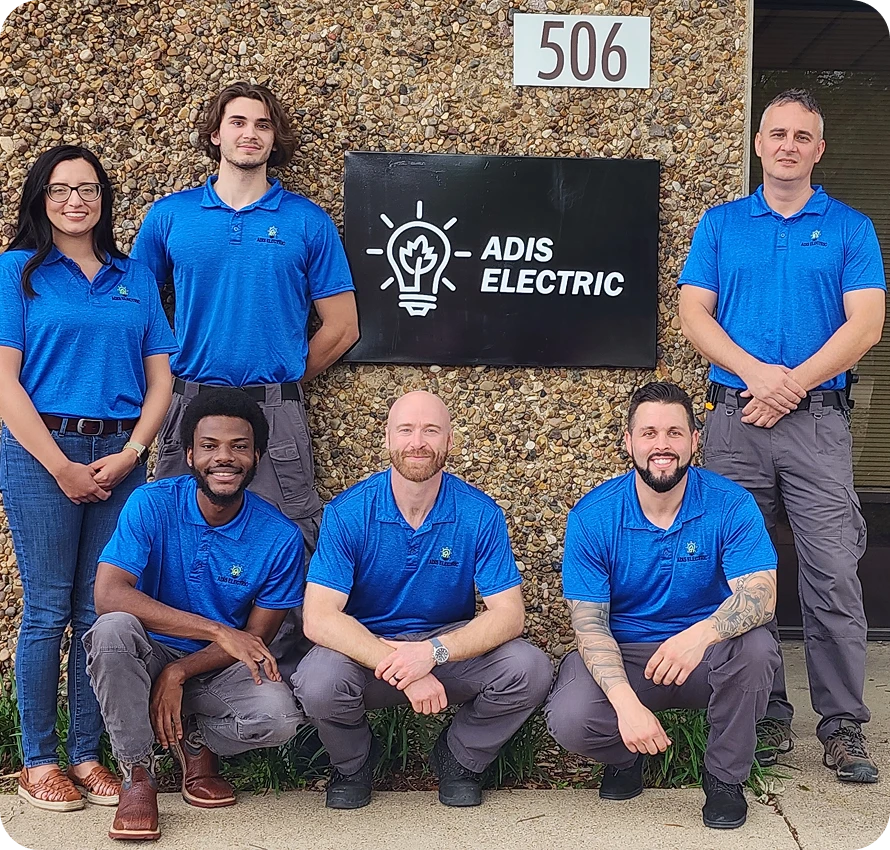
“Call us Adis Electric at 214-613-1000 today! We install EV chargers safely and correctly so your vehicle charges reliably every single night without issues.”
FAQs
Q1: Why do EV charger installation services in Plano, TX, require more than a standard outlet upgrade?
A Level 2 charger draws a continuous high load that standard household circuits were never designed to sustain over extended periods. EV charger installation services in Plano, TX, require a dedicated circuit, correct breaker sizing, and wire gauge specified for that specific load. Treating it like a standard outlet addition is what creates overheating, tripped breakers, and fire risk over time. The difference between doing it right and doing it quickly shows up in how safely the system performs every single night.
Q2: How does residential electrical service in Plano, TX, factor into EV charger readiness?
The existing panel condition determines whether a charger can be added cleanly or whether the service needs upgrading first. A proper residential electrical service in Plano, TX, assessment confirms available capacity, identifies any existing issues that would affect charger performance, and establishes whether the panel can handle the additional load safely. Skipping that step and installing a charger into an already stressed system creates problems that become obvious at the worst possible time. Starting with the full picture is always the more reliable path.
Q3: What should homeowners look for when hiring electrical contractors in Garland, TX, for EV work?
Experience specifically with EV charging circuits rather than just general electrical work is the most important thing to confirm upfront. Electrical contractors in Garland, TX, handling EV installations should be familiar with permit requirements, load calculation methodology, and charger manufacturer specifications before quoting anything. References from completed EV projects in similar homes are worth asking for because the work type is genuinely specific. A contractor comfortable answering technical questions before the job starts is a good sign that they will handle the installation properly once it does.