Introduction
Power outages can disrupt daily routines, leaving families without access to basic necessities like heating, cooling and food storage. Investing in electrical generator installation helps households maintain comfort and security when the grid goes down. Preparing for outages requires more than purchasing equipment—it involves planning, proper installation and understanding how generators fit into a family’s lifestyle. This article explores key considerations that allow families to stay prepared and confident when the lights unexpectedly go out.
Generator Installation Tips to Handle Outages
1. Evaluating Household Power Requirements
Before moving forward with a generator installation, it is important to evaluate how much power a household needs during an outage. Families must consider essential appliances such as refrigerators, HVAC systems, lighting and medical devices. Calculating wattage requirements helps determine whether a portable or standby generator will be the best fit. Many homeowners underestimate the load their home requires, leading to underperforming equipment. Conducting a power audit provides clarity and prevents costly mistakes. In some cases, addressing issues like electrical panel repair is also necessary to support the generator and manage circuits effectively. Working with a professional installer can help identify critical circuits and align generator capacity with actual household demands.
2. Choosing Between Portable and Standby Generators
Generators come in two primary types: portable and standby. Portable units are cost-effective, mobile and practical for temporary use, but they often require manual setup during outages. Standby generators, on the other hand, provide automatic power transfer and run on fuel sources like natural gas or propane. They are designed for long-term reliability and can power larger sections of a home. Families planning for extended outages may prefer standby systems for uninterrupted comfort. While upfront costs are higher, standby units offer convenience and durability. The choice depends on budget, property size and outage frequency in the area.
3. Fuel Source Considerations and Efficiency
Fuel type plays a significant role in generator efficiency and practicality. Gasoline is widely available but has a short shelf life, making it less reliable for long-term storage. Propane offers cleaner burning and longer storage capability, making it a favored choice for families seeking dependable backup power. Natural gas provides the advantage of an unlimited supply through existing utility lines, though access may be limited during certain emergencies. Diesel is another strong option, known for durability and efficiency in larger systems. Families should balance availability, storage safety and usage duration when selecting a fuel source for their generator system.
4. Placement and Installation Guidelines
The placement of a generator affects both performance and safety. Generators must always be installed outdoors, never indoors or in enclosed spaces, to prevent dangerous carbon monoxide buildup. Location should also factor in noise levels, proximity to the home and compliance with local building codes. Proper ventilation and clearance are critical to safe operation. Standby systems typically require a concrete pad and must be placed away from windows, doors and vents. Working with licensed electricians helps guarantee that placement supports efficiency, safety and long-term reliability. Poor placement can lead to safety hazards and reduced equipment lifespan.
5. Safety Practices and Family Preparedness
Owning a generator is not just about installation. It requires ongoing awareness of safe operating practices. Families should understand how to safely start and shut down the unit, handle fuel storage and conduct routine electrical inspections. Generators should never be connected directly to household wiring without a transfer switch, as this can create backfeeding risks for utility workers. Regular maintenance, such as checking oil levels and replacing filters, keeps equipment dependable during emergencies. Creating a household outage plan—assigning tasks to family members and practicing generator use—strengthens preparedness and reduces stress during actual blackouts.
6. Importance of Transfer Switches
A transfer switch is an essential component of any reliable generator installation. It provides a safe way to connect the generator to household circuits without risking damage or electrical hazards. Manual transfer switches require the homeowner to flip a switch when power fails, while automatic versions detect outages and shift the load immediately. Installing a transfer switch protects both the generator and sensitive electronics, while also maintaining compliance with local codes. Without this device, the risk of power surges or accidental backfeeding increases significantly. Families considering a standby generator should view transfer switches as a mandatory part of the setup.
7. Maintenance for Long-Term Reliability
Like any piece of equipment, generators require consistent maintenance to remain dependable. Families should schedule routine inspections and keep records of service dates. Tasks include oil changes, spark plug replacement, fuel system cleaning and battery checks. Even if outages are rare, periodic test runs confirm that the system will perform when needed. Neglecting maintenance can lead to equipment failure at the most inconvenient time. Creating a maintenance schedule with a trusted professional allows families to focus on comfort during outages rather than scrambling to troubleshoot generator problems. Long-term care is the key to dependable backup power.
8. Budgeting and Long-Term Value
While cost is a major factor in generator installation, families should consider long-term value rather than just upfront expenses. Portable units may appear budget-friendly, but fuel costs, manual setup and limited capacity can make them less practical for repeated outages. Standby systems require a higher investment but offer convenience, automatic functionality and long-lasting durability. Factoring in installation, fuel, transfer switches and maintenance gives a realistic picture of total ownership costs. Families who weigh short-term affordability against long-term resilience can make smarter financial decisions. Viewing a generator as a household investment helps prepare for future power interruptions with confidence.
Preparing for outages with proper electrical generator installation empowers families to handle unexpected disruptions without compromising comfort or safety. From calculating power needs to selecting the right fuel source, every decision contributes to reliable backup power. Placement, safety practices and transfer switches protect both the home and its occupants. Regular maintenance and budgeting for long-term value keep systems ready when emergencies strike. With careful planning and professional guidance, families can face blackouts with greater confidence, knowing that their generator is ready to deliver when it matters most.
Conclusion
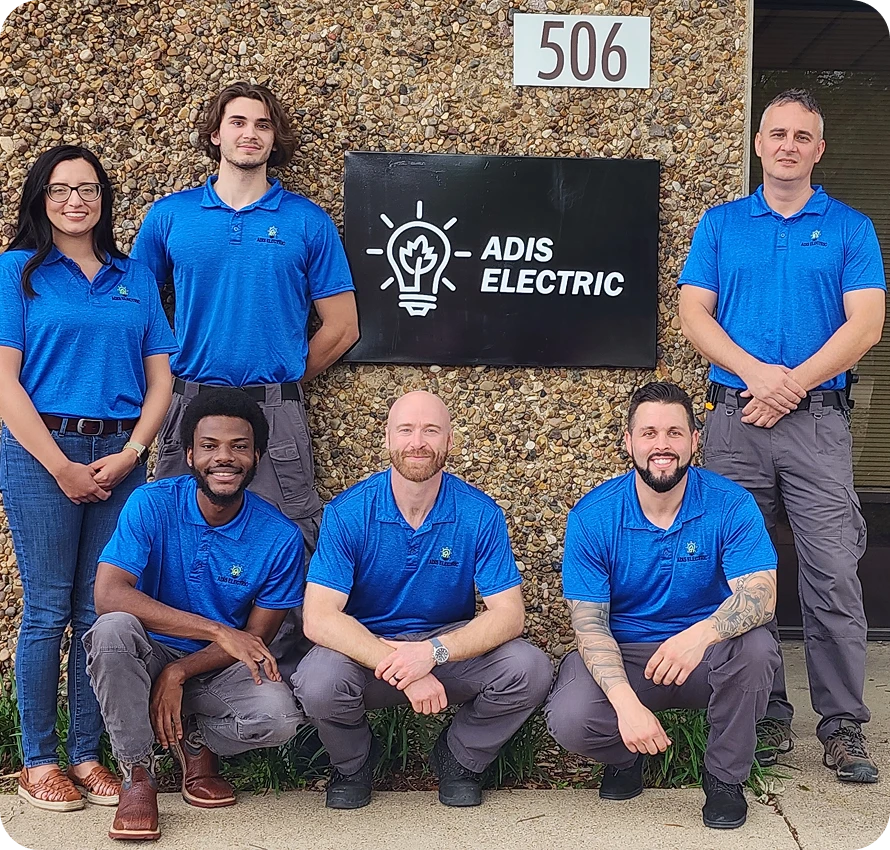
Stay prepared for outages with expert electrical generator installation by Adis Electric. Connect with us at 214-613-1000 today for reliable solutions that keep your home powered, safe and comfortable during unexpected power interruptions.