With electric cars entering mainstream use, domestic EV charger installation in Plano, TX, is becoming common in homes looking to upgrade to a convenient and future-ready life. Although charging stations are convenient to use, the effect on electrical safety goes beyond a power outlet.
The guidelines issued by Adis Electric emphasize the need for proper planning and implementation to achieve the desired results. The assessment of capacity, wire status, and the protection method used is the determining factor in deciding whether the system is suitable for stable outputs.
1. Electrical Load Assessment And Capacity Planning
Before installing the EV charger, the system capacity must be assessed to determine how much capacity is available. Houses that are many years old were never originally wired to handle the high-demand chargers that will be installed and used for a prolonged period. They may become overloaded during peak periods without a system assessment.
Capacity planning also takes into account future needs, such as adding more vehicles or electrical improvements. System functioning within the intended capacity will ensure that overheating and component strain are minimized. This will ensure the integrity of the wiring insulation and the condition of the breakers. A well-balanced electrical load will also ensure safe everyday functioning without undermining the other electrical circuits.
2. Panel Upgrade And Circuit Protection
Most charging stations must be connected to specific circuits to work properly. The work of connecting the circuits often shows that the panels are outdated or that the space in the breakers is limited. Upgrading the panels gives way to advanced safety features, including improved grounding.
Circuit protection and breakers play an essential role in long-term safety by responding rapidly to abnormal conditions arising from excess currents. Appropriately sized circuit breakers avoid potential faults arising from continuous over currents. Circuit separation ensures that other electronics in the house are protected from interference by the charging circuit.
3. Wiring Quality And Installation Standards
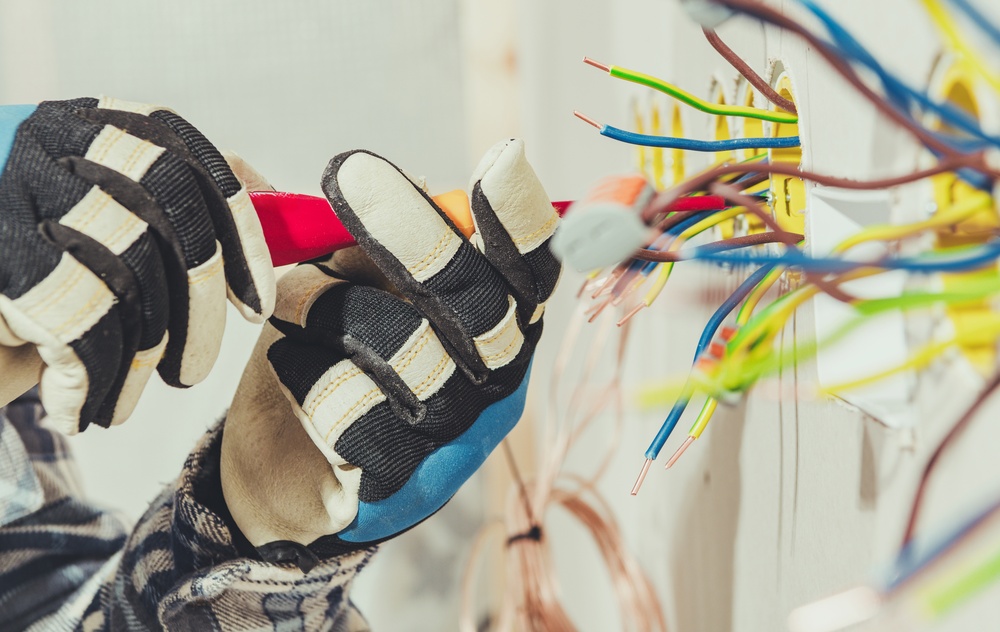
The materials and condition of wiring utilized in EV charging affect electrical safety. The wiring should be designed to handle high currents continuously without overheating. Low-quality wiring materials are likely to cause insulation failure. The materials will last longer when exposed to daily charging cycles.
Installation practices include methods for routing, securing, and terminating conductors. Clean connections help lower ohmic losses, hence decreasing the amount of heat generated through connections. Installation practices, among other considerations, remain vital, especially over the years, for averting electrical failures.
4. Grounding, Bonding, And Fault Response
Good grounding allows current to flow, thus ensuring that there is no risk of electrical shock or fire. Charging systems for electric vehicles depend on proper grounding. The process of bonding is simplified as it ensures that all metallic parts are at the same potential.
Ground fault protection is an important consideration in long-term reliability. The use of proper charging equipment can ensure an immediate shutdown if the charging equipment notices any irregularities. This can prevent damage and minimize the risk of affecting the surrounding electrical network.
5. Integration With Broader Electrical Systems
EV charging stations do not work on their own but in conjunction with other devices at home. The functionality of EV charging stations can be hampered by other demanding appliances and backup systems. There are homes where integration with generator services in Plano, TX, proves many a point regarding how to handle multiple power sources.
The integration of the system also anticipates future technology upgrades. Smart charging, energy, and load management may enhance the overall efficiencies. The systems’ capabilities enable functional stability in the face of changing requirements. Long-term safety gains with combined rather than competing systems.
Conclusion
The installation of EV chargers has implications that go far beyond convenience and charging speed. Electrical load, panel readiness, wiring, and ground connections are factors that significantly affect the setup’s safety.
Proper attention to these considerations ensures the charging setup functions successfully without straining existing infrastructure. Taking the right approach to investing will ensure long-term safety.
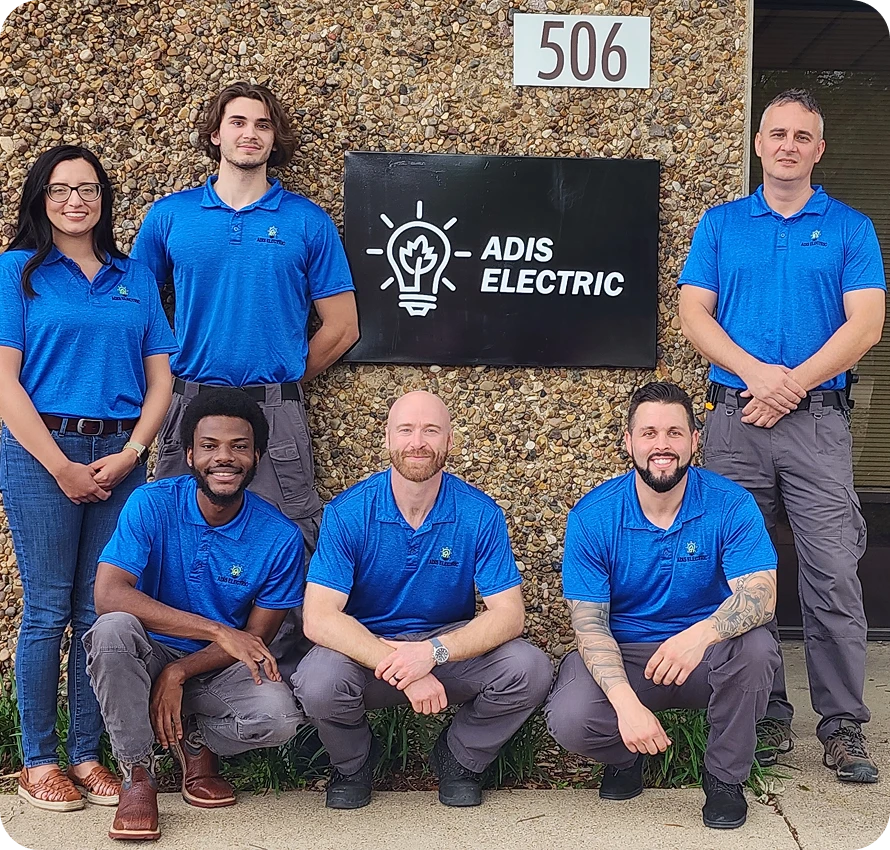
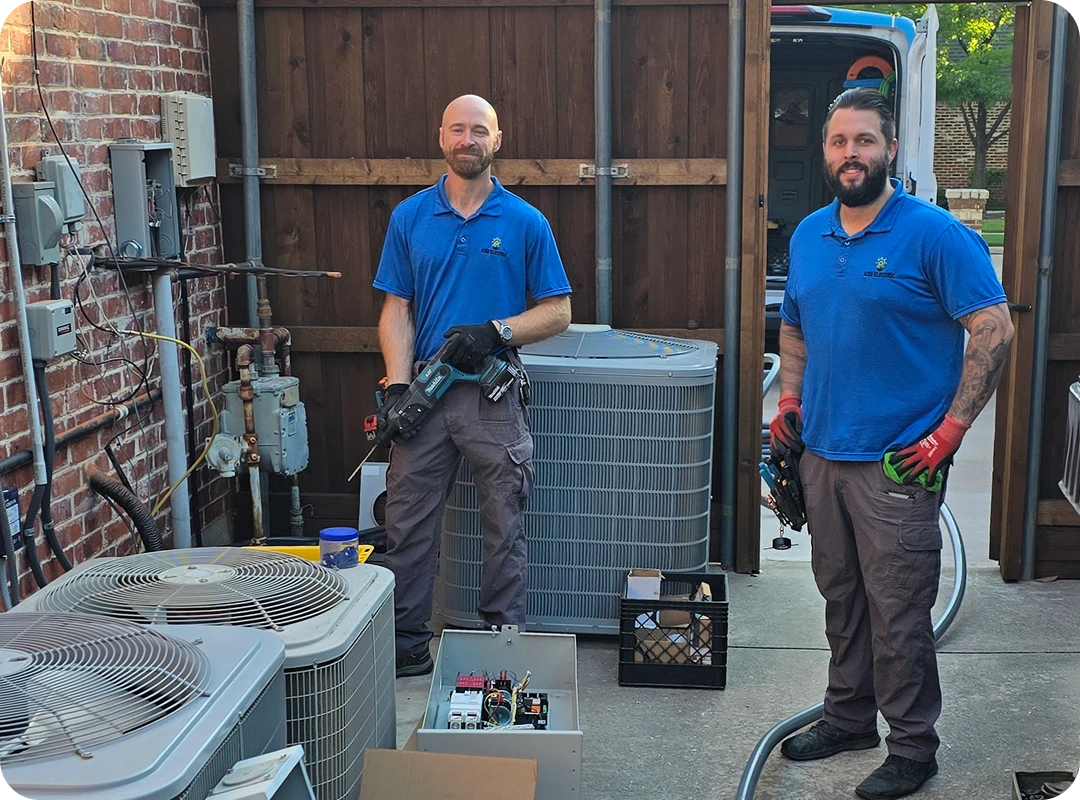
Protect your electrical system with guidance from Adis Electric. Our qualified experts deliver generator services in Plano, TX, backed by a strong commitment to quality. Call us at (214) 306-7782 for reliable safety-focused solutions.
FAQs
1. Do EV charging equipment setups impact the overall safety of a home’s electrical system in the long run?
Proper mounting practices help balance electrical loads, promote proper wire routing, and alleviate stress on electrical panels, ensuring the system functions properly and safely.
2. Will older houses require an upgrade before installing an electric car charger?
Older homes often need either a load assessment or a panel upgrade in order to accommodate charging safely.