Introduction
Power outages can disrupt daily routines, business operations, and safety systems without warning. Emergency power management focuses on preparation rather than reaction, allowing critical functions to remain active during grid failures. Generator installation in Plano, TX, plays a key role in this planning by creating a reliable backup power framework tailored to specific load requirements.
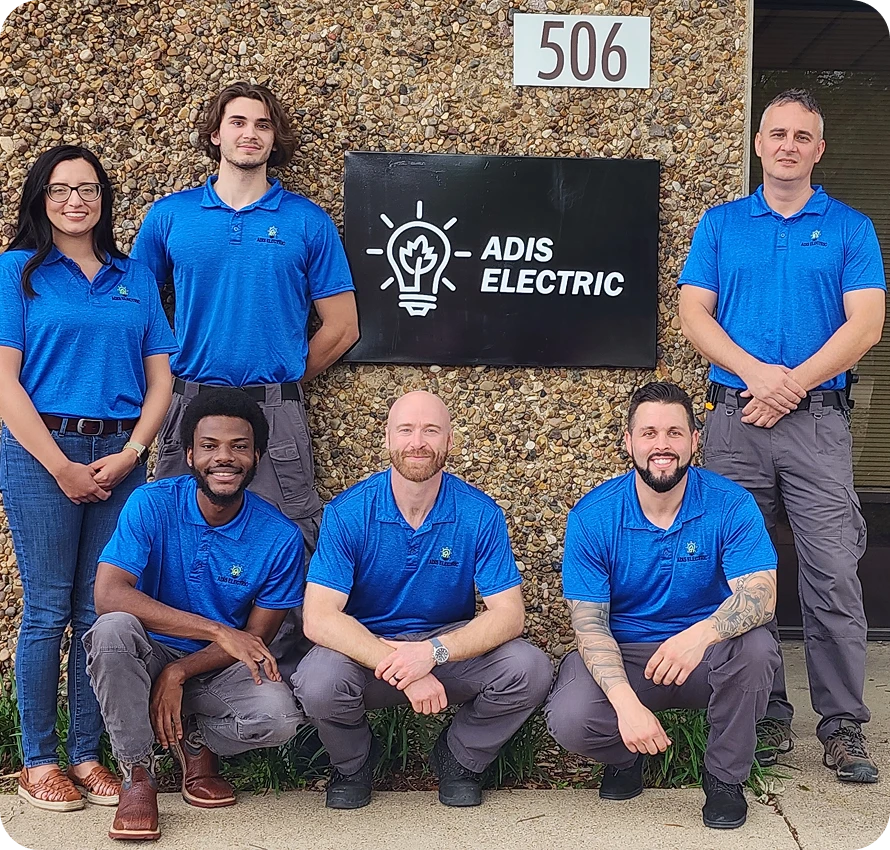
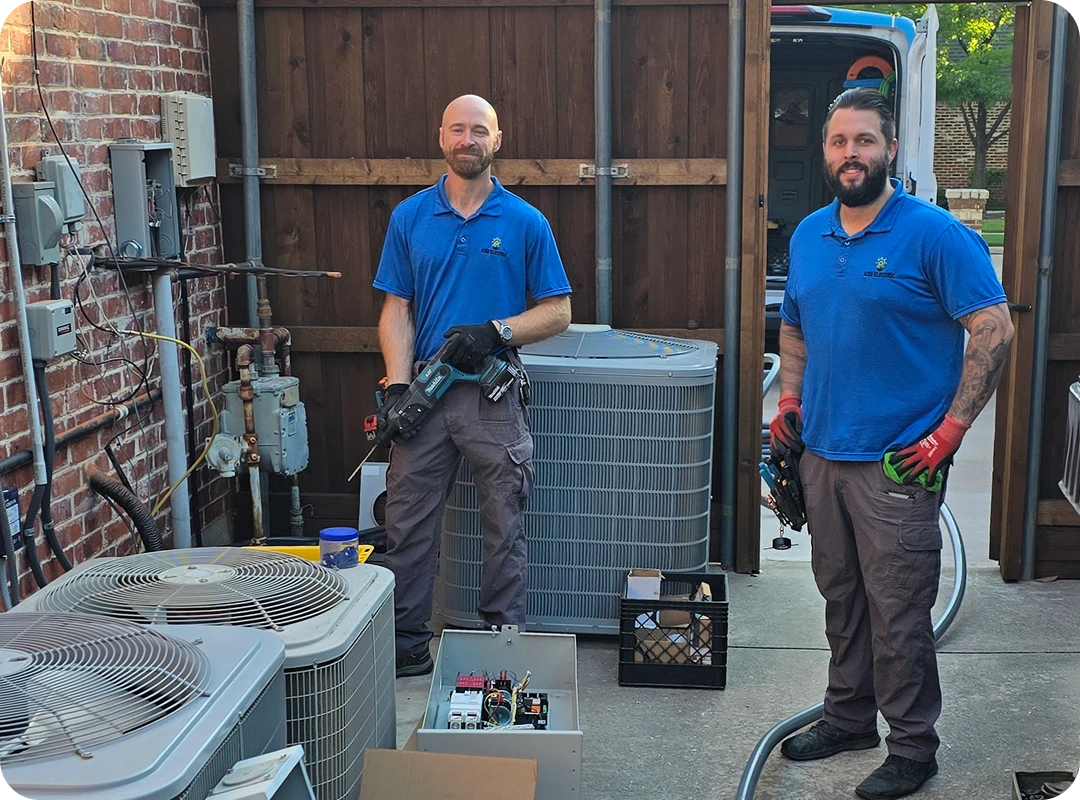
Unlike temporary power solutions, permanently installed generators integrate directly with a property’s electrical system. Experience with Adis Electric highlights how this integration enables automatic responses during outages and stable power delivery to essential circuits. Proper installation turns backup power into a dependable part of emergency preparedness rather than a last-minute solution.
Strengthening Emergency Power Resilience
1. Evaluating Power Needs Before Installation
Emergency power management begins with a detailed evaluation of electrical demand. Installers identify which systems must remain active during outages, such as refrigeration, medical equipment, data servers, or security systems. Load calculations determine the generator size needed to support these priorities.
This process avoids oversizing or undersizing the system. Accurate assessment allows generators to operate efficiently under stress conditions. Evaluating needs in advance supports consistent performance during emergencies. Clear planning reduces the risk of overload or power gaps during outages.
2. Integrating Generators With Existing Electrical Systems
Generator system integration requires careful coordination with existing panels and circuits. Automatic transfer switches are installed to manage the transition between utility power and backup power. This automation allows power restoration without manual intervention.
Electrical panel installation in Plano, TX, is often part of the integration process when existing panels lack capacity. Proper alignment between generator output and panel configuration supports stable distribution. Integration also reduces the risk of voltage irregularities that could damage sensitive equipment. A coordinated setup strengthens emergency readiness.
3. Supporting Critical Systems During Outages
Generators prioritize essential systems during power loss. Circuits are designated by importance, allowing vital operations to continue even when full capacity is not required. This prioritization keeps emergency lighting, communication systems, and climate controls operational.
Electrical services in Garland, TX, may support system adjustments when facilities expand or upgrade equipment. Flexible generator configurations adapt to changing needs over time. Supporting critical systems protects safety, data integrity, and operational continuity. Reliable backup power reduces downtime during prolonged outages.
4. Testing and Commissioning for Reliability
After installation, generators undergo testing to confirm performance under simulated outage conditions. Commissioning verifies startup response time, load handling, and transfer switch operation. These tests reveal any configuration adjustments needed before real emergencies occur.
Routine testing also familiarizes property owners with system behavior. Confirming operational readiness builds confidence in emergency planning. Proper commissioning reduces uncertainty during actual outages. Testing validates that the installation supports emergency power management goals.
5. Long-Term Role in Emergency Preparedness
Generator setup contributes to long-term emergency planning rather than short-term fixes. Backup systems protect against seasonal storms, grid failures, and infrastructure disruptions. Over time, generators reduce stress on electrical systems caused by sudden shutdowns.
Ongoing maintenance keeps generators responsive and ready. As properties evolve, installations can be adapted to support additional loads. A well-installed generator becomes a central part of an emergency preparedness strategy. Long-term planning strengthens resilience during unpredictable power events.
Conclusion
Emergency power management depends on preparation, planning, and reliable infrastructure. Generator system installation provides a structured solution for maintaining essential operations during outages. Proper evaluation, integration, and testing support dependable performance. Backup systems protect critical equipment and improve response during emergencies. Long-term readiness begins with a well-planned generator setup.
FAQs
1. How does generator system integration support emergency power planning?
It provides a permanent backup power solution that automatically activates during outages, keeping critical systems operational.
2. Can generator system installations be adjusted as power needs change in Plano?
Yes, in Plano, systems can be updated to support new equipment, expanded loads, or additional circuits as electrical demands evolve.
Plan for power outages with Adis Electric. We deliver dependable solutions trusted by the community for generator setup and emergency readiness. Call 214-613-1000 to protect critical systems today.