The Complete Guide to Home EV Charging Station Installation in Plano
Published by Adis Electric
July 21, 2026
Plugging an EV into a regular wall outlet works, technically, the way bailing out a boat with a teacup works. If you want the car charged by morning instead of by Thursday, EV charging station installation in Plano, Texas, means a proper 240-volt setup, the same kind of circuit that runs your dryer, wired to feed a car that drinks far more power than a toaster ever will. Most people start with the cord that came in the trunk. Then they time a full charge. Then they call an electrician. Here is what that upgrade actually involves, start to finish.
1. Level 1 Is a Trickle, Level 2 Is the Point
There are two ways to charge at home, and they are not even close. Level 1 is the cord that ships with the car, plugged into a standard 120-volt outlet, and it adds maybe three to five miles of range an hour. Fine for a plug-in hybrid or a short hop to the office, useless if you actually put miles on the thing. Level 2 runs on 240 volts, the same as your range or dryer, and it pours in roughly 20 to 40 miles an hour, which turns an overnight plug-in into a full battery by morning. That jump from 120 to 240 volts is the whole reason a home charger is worth installing in the first place. Double the voltage, and the same amperage moves far more energy into the battery every hour it is plugged in.
2. Setting Up a Real Home Charger
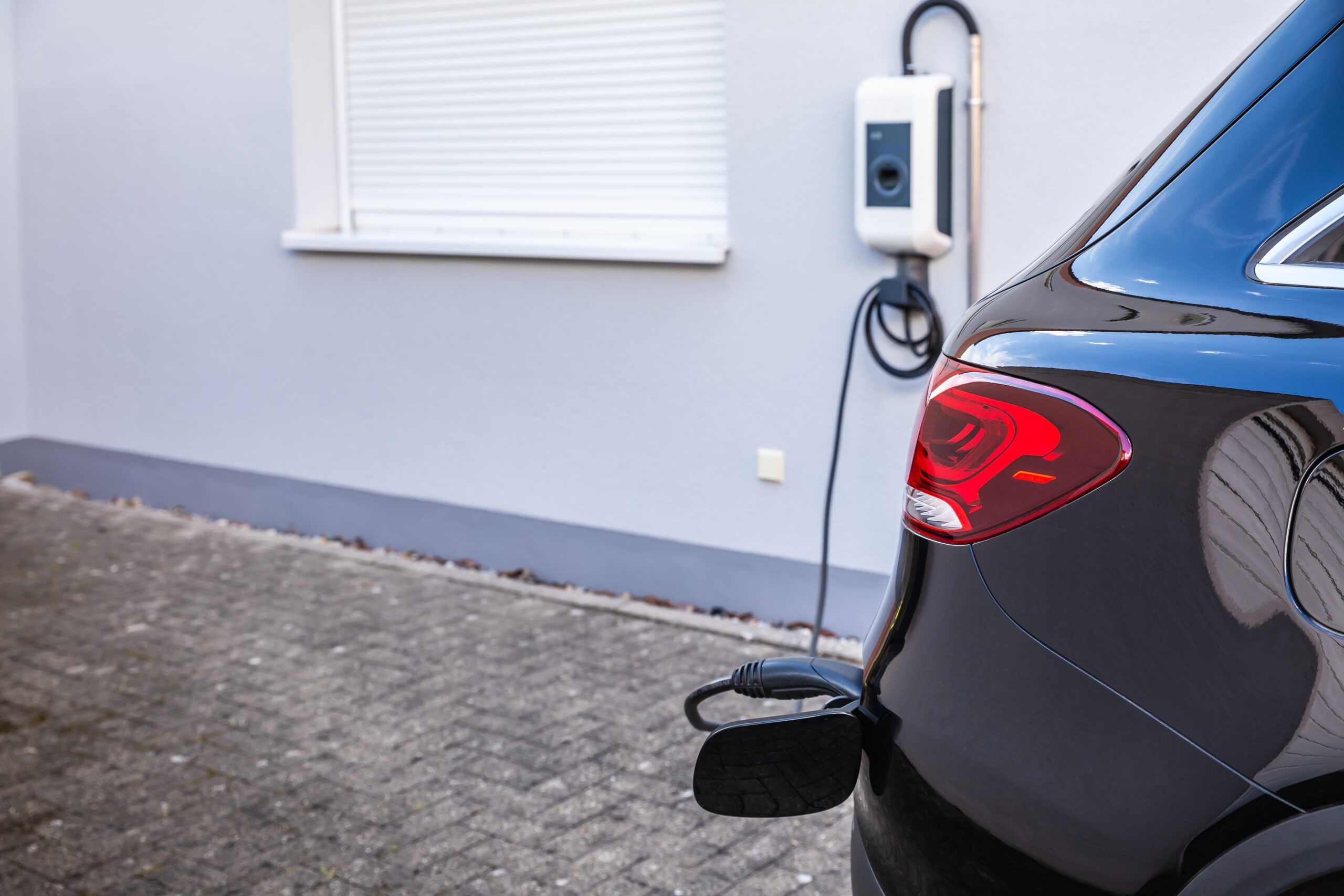
A proper Level 2 EV charger home setup is really a dedicated 240-volt circuit with the right breaker, the right wire, and a charging unit mounted where the car parks. Most run on a 40 to 60 amp breaker, since the charger pulls about 80 percent of that continuously. So a 60-amp circuit feeds a 48-amp charger, and a 50-amp circuit caps out closer to 40. You can go two ways with the unit itself. Hardwire it straight to the wall, or plug it into a NEMA 14-50, the big four-prong receptacle. Hardwiring usually allows a higher charge rate and skips the GFCI breaker an outlet now needs by code, while an outlet keeps things portable if you ever move. The wire matters too, since 48 amps wants 6-gauge copper, and undersized wire on a high-amp circuit is how things overheat.
3. Does Your Panel Have the Room?
Before any of that, the real question is whether your panel can even take it. A Level 2 charger is a big, steady load, up to about 11 kilowatts, and the electrical panel capacity for electric vehicle charging is where plenty of installs hit a wall. An older 100-amp panel already running a central AC, an electric range, and a dryer may have nothing left to hand a 48-amp charger. The car becomes one load too many, and the main starts dropping on hot evenings. An electrician runs a load calculation, the same math the code requires, to see what is actually free on the service. Guessing here is how you end up tripping the main every time the car and the AC run together. If there is not enough, you have options: a 200-amp upgrade, a smaller charger, or a load management device that pauses charging the moment the AC kicks on so nothing trips.
4. What It Actually Runs You
Now the number everyone actually wants. The cost to install Tesla charger at home swings on a few things, mostly how far your panel sits from the parking spot and whether the panel needs upgrading at all. A short run to a panel with spare room is a clean, affordable job. A long conduit runs across the house, drilling through walls and fishing wire to a far garage, pushing it up. A panel that has to jump from 100 to 200 amps pushes it up more. The Wall Connector itself is a fixed piece of the total. The rest is labor, wire, and the permit, so a quick site assessment gives you a real ballpark instead of a number pulled out of thin air.
5. Why This Is Not a DIY Plug-In
This is not the weekend project to wing. A 48-amp continuous circuit is serious power, and getting the wire gauge, the breaker, the GFCI, and the grounding right is the difference between a safe charger and a fire hazard sitting in your garage. That is why certified EV installers in North Dallas, pull the permit, size everything to code, and get the work inspected, which also keeps your warranty and your insurance intact. A good one will also point out a utility EV rate plan that bills you less for charging in the small hours, which adds up fast over a year of nightly charging. That alone can pay back part of the install. Skipping the permit to save a little tends to cost more later, when something fails or the house goes on the market.
A home charger is one of the better upgrades an EV owner can make, but it lives or dies on the install. Get the panel checked, size the circuit right, pull the permit, and you wake up to a full battery every day without a second thought. Skip those steps, and you are babysitting a breaker, or worse. Adis Kikic has wired exactly these setups through Adis Electric for nearly thirty years, fully licensed and insured, with a background-checked crew and a photo of the team sent ahead so you always know who is coming. He sizes the job to your actual panel, does it to code, and does not pack up until it charges the way it should.
“Ready to stop trickle-charging overnight? A proper Level 2 setup changes everything. Call Adis Electric at 214-613-1000 for a safe, code-right install.”
FAQs
Q1: Do I need a panel upgrade to install an EV charger in Plano, Texas?
In Plano, Texas, maybe. A Level 2 charger adds up to about 11 kilowatts of steady load, and an older 100-amp panel running AC, a range, and a dryer often has no room. An electrician runs a load calculation. If it’s tight, a 200-amp upgrade or a load-management device solves it.
Q2: How long does EV charger installation take in Plano, Texas?
For homeowners in Plano, Texas, a straightforward install near the panel is often a half-day job. It runs longer if wire has to travel across the house, the panel needs upgrading, or a permit and inspection have to be scheduled. A site visit gives you an honest timeline before work starts.
Q3: Is it cheaper to hardwire or use an outlet for a home EV charger in Plano, Texas?
Around Plano, Texas, a NEMA 14-50 outlet can be a bit cheaper and stays portable, but code now requires a GFCI breaker on it, which narrows the gap. Hardwiring often allows a higher charge rate and skips that breaker. The better choice depends on your charger and how far the run is.