Why Your Plano Home Keeps Tripping Circuit Breakers During Heatwaves
Published by Adis Electric
July 3, 2026
A circuit breaker that trips again and again in hot weather is rarely random, and it is almost never the breaker simply going bad on its own. In most homes, tripping circuit breakers in Plano, Texas, during a heatwave involves two things working at once, breakers that grow more sensitive as they heat up and an air conditioner pulling close to the limit of its circuit. Resetting it buys a few quiet minutes and fixes nothing. The repeating pattern is the part that matters, including which breaker trips, what was running at the time, and how hot the panel feels. Read those details correctly and the real fix becomes clear without guesswork.
1. How Heat Affects a Breaker
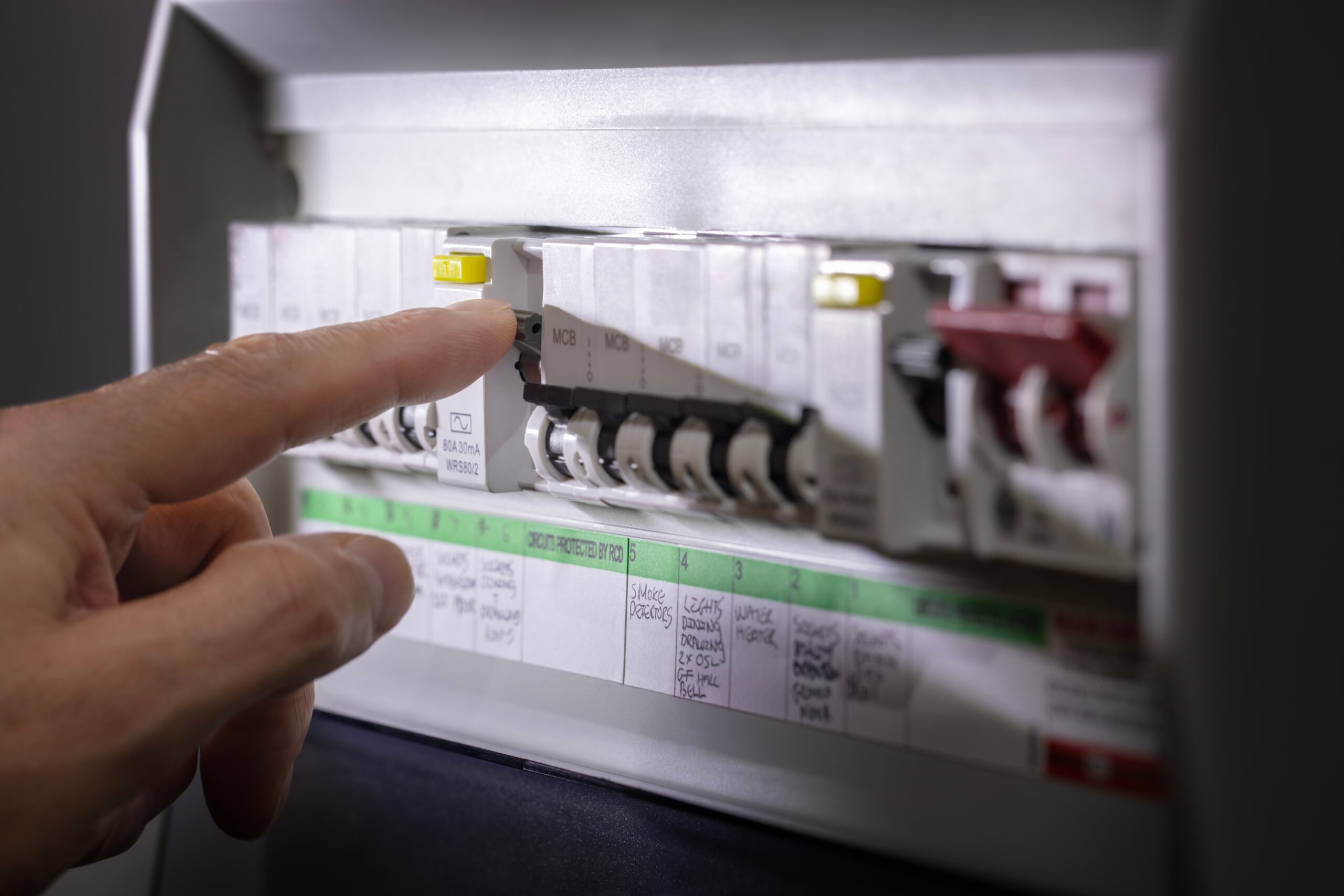
A breaker is a thermal device, not a plain on-off switch. It trips when the current passing through it stays above a safe level for too long, which is what protects the wire behind the wall from overheating. Because that mechanism reacts to heat, the temperature around the panel matters, and a panel mounted in a hot garage or on a sun-exposed wall is already running warm before any load arrives. A breaker that starts out warm trips at a lower current than its rated number, sometimes noticeably below it on a 100-degree afternoon, which is why the same circuit that behaves all winter starts failing only in the worst of the summer. Add a heavy summer cooling load and a circuit with little spare room hits that lowered limit fast. A standard 15-amp or 20-amp circuit is only meant to carry about 80 percent of its rating continuously, so a circuit already running near that ceiling has almost no margin left once the heat shaves the trip point down.
2. What a Strained Panel Tells You
A panel under real strain usually shows clear signs well before it fails outright. Common overloaded electrical panel symptoms include breakers tripping on more than one circuit, a panel cover that feels warm or hums when touched, and lights that dim each time the AC or refrigerator starts. A burning or melting-plastic odor near the panel means heat is already damaging the insulation inside, which is one of the more serious warnings a panel can give. Discoloration, scorch marks, or a melted breaker face point to arcing at a connection, which is a fire risk and not a simple nuisance. Two circuits crammed under one breaker lug, known as a double tap, and older panel brands with a poor safety record can make all of this worse. Those are reasons to book an inspection quickly, not to keep flipping the switch back on.
3. The Air Conditioner’s Share of the Load
The air conditioner is the largest electrical load in most homes, which makes it the first thing to check. Signs of an AC drawing too much power include a failing run capacitor, a dirty condenser coil, or low refrigerant, each of which forces the compressor to work harder and pull more current. Every compressor startup briefly draws several times its normal running amperage, and a worn or struggling system stretches that inrush surge even wider and longer. A breaker already derated by the surrounding heat trips on that spike. A clogged filter or a coil packed with a season of dust raises the head pressure inside the system, which pushes the amperage higher the longer the unit runs. Servicing the unit, cleaning the coil, or replacing the capacitor often ends the tripping without any work on the panel itself.
4. The Line Between Annoying and Dangerous
There is a real difference between a breaker that is merely inconvenient and one that signals danger. A breaker that refuses to reset, trips the instant it is switched on, or sits on a panel that is hot, buzzing, sparking, or smells of burning plastic calls for a local emergency electrician in Plano, Texas, rather than another reset. Those conditions usually mean an active short or an arc fault, and forcing the breaker back on can start a fire. Visible scorch marks or a deformed, partly melted breaker fall into the same urgent category. It also helps to note exactly what was running and which breaker tripped, since that information shortens the diagnosis. A flickering light can wait a day, but a hot panel cannot.
5. Why a Bigger Breaker Is the Wrong Answer
Fitting a higher-rated breaker to stop the tripping is dangerous and should never be done. A larger breaker lets more current flow through wire that is rated for less, removing the protection and creating a fire hazard in the walls. The circuit breaker replacement cost for a single worn breaker is modest, but swapping it only helps when the breaker itself has actually failed. If the underlying cause is an overloaded panel, an undersized service, or aging aluminum wiring in an older Plano home, the correct fix is a panel or circuit upgrade instead. Many older homes were built with 100-amp service that newer demands have outgrown, and adding an EV charger or a pool pump only widens that gap. A proper diagnosis measures the real load first, then matches the solution to it.
A breaker that trips through every heatwave is protecting your wiring, not failing at its job. The cause is usually some mix of heat lowering the trip point, an air conditioner running near its limit, and a panel that may simply be undersized for the home. The right response is to identify the actual cause before replacing anything, and well before fitting a larger breaker that would only hide the danger.
Adis Kikic has handled exactly that kind of careful troubleshooting through Adis Electric for nearly thirty years, fully licensed and insured, with a background-checked crew and clear communication that includes sending photos of the team before they arrive. When the summer heat keeps cutting your power, that experience is worth the call.
“Breakers tripping every heatwave? It signals an overload, not bad luck. Call Adis Electric at 214-613-1000 for a full diagnosis and a lasting fix.”
FAQs
Q1: Why do my breakers only trip during heatwaves in Plano, Texas?
In Plano, Texas, breakers are thermal, so they trip at a lower current when hot. A panel in a warm garage or on a sunny wall gives out sooner on a 100-degree day, and a hard-running AC pushes a tight circuit over the edge. The heat exposes an existing weak point rather than creating one.
Q2: Is a constantly tripping breaker dangerous in Plano, Texas?
For homeowners in Plano, Texas, an occasional trip is normal, but a breaker that won’t reset, trips instantly, or sits on a hot, buzzing, or burning-smelling panel signals arcing or a short. That is a fire risk, not a routine overload, so stop resetting it and have an electrician check it promptly.
Q3: Can I just install a bigger breaker to stop the tripping in Plano, Texas?
Around Plano, Texas, no. A higher-rated breaker pushes more current through wire that can’t safely carry it, turning a safe shutoff into a fire hazard. The correct fix is to diagnose the real cause, a straining AC, an overloaded circuit, or an undersized panel, and then correct that.